

A Gentle Check-In for the New Year
The new year can bring pressure to reflect, reset, or set goals. This gentle, trauma-informed reflection offers space to check in with your nervous system, notice what you’re carrying, and approach the year ahead with curiosity and self-compassion.

Holiday Boundaries: Caring for Your Energy, Capacity, and Well-Being
Learn why boundaries feel hard during the holidays and get simple scripts and tools to protect your energy, reduce stress, and stay grounded.

Feeling Overwhelmed at the End of the Year? Holiday Anxiety Explained.
As the holidays approach, many people feel overwhelmed, anxious, or drained. Learn why this time of year can feel heavy—and discover supportive, grounding strategies to help you move through the season with more ease and clarity.

Why You Get Triggered at Work: Childhood Patterns That Resurface in Adulthood
Many workplace triggers stem from unmet childhood needs around safety, belonging, or validation. Learn how early attachment patterns resurface at work — and how awareness helps us respond instead of react

Supporting Yourself Through Seasonal Affective Lows
As the seasons shift, so does our nervous system. Seasonal Affective Disorder isn’t a sign of weakness — it’s a natural response to light changes, biological rhythms, and energy cycles. Instead of trying to push through winter or “think positive,” somatic and bottom-up approaches help support mood and motivation by working with the body first.
The Many Faces of Trauma in Health-Care Work
Trauma doesn’t only happen to patients — it happens to those who care for them too. Healthcare professionals carry immense emotional, ethical, and physical demands, often witnessing suffering while continuing to show up with compassion. This article explores the many forms of trauma common in health-care settings — including operational stress injuries, vicarious trauma, moral injury, and complex trauma — and offers evidence-informed healing approaches for sustainable practice and nervous-system health.

Understanding Complex-PTSD
Explore what Complex PTSD (CPTSD) is, how it shows up in your life, why both “top-down” and “bottom-up” therapeutic approaches matter, and how therapies like EMDR, IFS and somatic, relational therapy support healing.

EMDR 2.0: A new Innovative Step in Healing From Trauma
EMDR 2.0 is an evolution of traditional EMDR therapy that brings in body awareness, flexibility, and precision. By combining EMDR with somatic and parts-based approaches, this next-generation method helps you safely reprocess painful memories, release emotional triggers, and reconnect with a calmer sense of self. Whether you’re healing from trauma, burnout, or long-standing patterns that feel hard to change, EMDR 2.0 offers a compassionate and effective path forward.
When Grief Keeps Coming: Finding Steadiness in the Midst of Loss
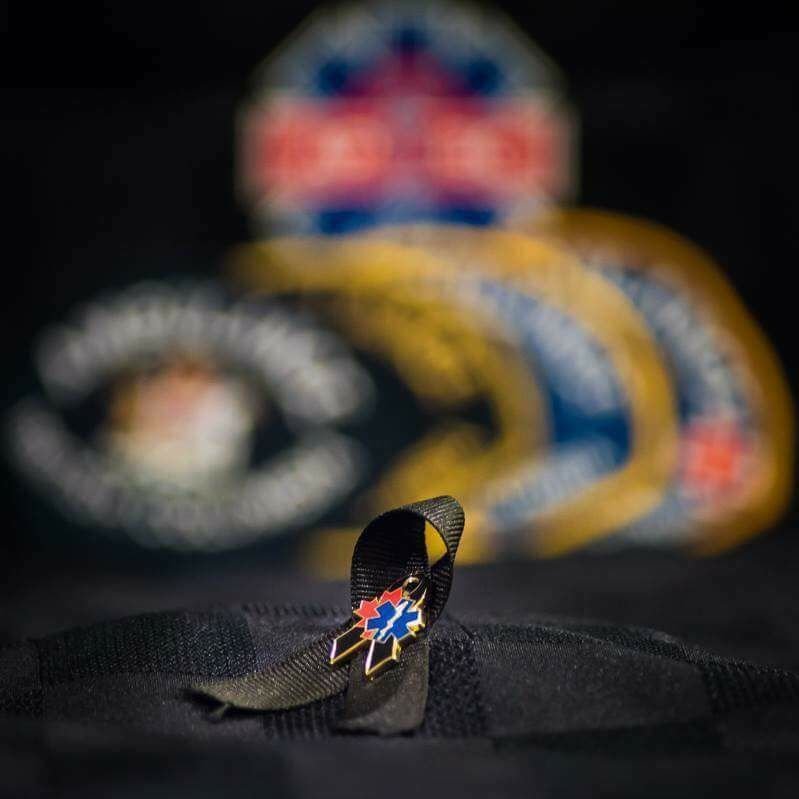
Another EHS colleague has died — too many to count this year. After so many deaths, it’s understandable if you feel exhausted, numb, or unsure how to grieve anymore. When loss keeps coming, it can start to feel less like a wave and more like a constant undertow. This piece is a gentle reminder that you’re not alone, and that even in ongoing grief, small moments of connection and care can help you stay grounded.

Grief & Loss for EHS Members
This year, the EHS community has faced profound loss, mourning colleagues to suicide and premature deaths. For paramedics and dispatchers, these losses are deeply personal, affecting not just individuals but entire teams. Grief in the first responder community carries unique layers — from the culture of strength and silence to the cumulative impact of multiple losses. This article explores the emotional realities of losing a colleague and offers compassionate pathways for support and healing.